
Updated
Quick Summary
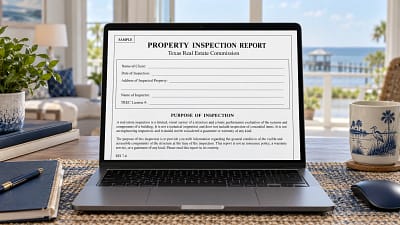
An 11th-month builder warranty inspection in Corpus Christi helps you document observable concerns before your applicable first-year warranty deadline. Schedule around the 10th or 11th month, leaving time to read the report and submit concerns through your builder’s required process. I inspect accessible home systems and provide a digital HomeGauge report with photographs and recommendations. Your warranty documents determine deadlines and coverage; the inspection documents conditions and does not guarantee builder repairs.What Is a Builder’s Warranty?
A builder’s warranty is an agreement that may provide coverage for certain defects or problems associated with a newly constructed home. The specific coverage depends on the builder, warranty provider, warranty agreement, and type of condition involved. Different components of a home may have different coverage periods, requirements, exclusions, or limitations. Because warranty terms vary, homeowners should review the warranty documents provided for their home rather than assume that a particular condition is covered. For an independent consumer reference on coverage, exclusions, and making a claim, see the Federal Trade Commission’s guide to warranties for new homes. The guide is general information; your own warranty documents govern the applicable terms. A home inspection does not determine whether a condition is covered by a builder’s warranty. Instead, an inspection can document observable conditions that homeowners can review and discuss with their builder or warranty provider.What Should You Review in Your Builder’s Warranty?
Before submitting a warranty request, review the warranty documents that apply to your property. Pay particular attention to:- Coverage periods and expiration dates
- Conditions that may be covered
- Items that are excluded from coverage
- Requirements for submitting a warranty request
- Documentation requirements
- Deadlines for reporting conditions
- Procedures for requesting repairs or further evaluation
Why Problems May Become Noticeable During the First Year
A newly constructed home can develop observable conditions after construction is completed. Normal occupancy, weather exposure, seasonal changes, settlement, drainage, and operation of building systems may reveal conditions that were not apparent when the home was first completed. Homeowners may notice concerns involving:- Roofing and flashing
- Exterior siding, trim, windows, and doors
- Foundation and visible structural components
- Plumbing and drainage
- Electrical components
- Heating and cooling systems
- Grading and surface drainage
- Attic insulation and ventilation
- Drywall, ceilings, flooring, and interior finishes
- Other accessible components of the home
How Can an Independent Home Inspection Help?
An independent home inspection provides a visual assessment of accessible and readily observable components within the applicable inspection scope. The inspector documents conditions observed at the time of the inspection and may provide photographs, descriptions, and recommendations for repair, maintenance, or further evaluation when appropriate. An inspection report can provide homeowners with organized documentation to review and discuss with their builder or warranty provider. A home inspection does not determine warranty coverage, guarantee that a builder will make repairs, or replace specialized evaluations when a qualified contractor or specialist is needed.When Should You Schedule an 11th-Month Builder Warranty Inspection?
Homeowners approaching the end of an applicable first-year builder’s warranty period may consider scheduling an inspection before the warranty deadline. An 11-month warranty inspection provides an opportunity to document accessible and observable conditions after the home has experienced normal occupancy and weather exposure. Scheduling around the 10th or 11th month can provide time to:- Complete the inspection
- Review the inspection report
- Discuss documented conditions with the builder
- Submit warranty requests when appropriate
- Allow time for follow-up communication or repairs
How Should You Prepare for the Inspection?
Have your warranty deadline and a short list of concerns ready when you book. Before the appointment:- Gather records: Keep warranty documents, earlier inspection reports, repair invoices, and builder correspondence together.
- Note what you have noticed: Record locations and dates of leaks, unusual operation, or recurring concerns. Photographs taken when a condition occurs can help explain an intermittent issue.
- Provide access: Clear accessible attic entries, electrical panels, fixtures, and heating and cooling equipment. Leave installed utilities operating normally.
- Leave unsafe conditions alone: Do not reset tripped breakers or operate equipment that has been shut down for an unknown reason.
Common Conditions Homeowners May Want to Document
Depending on the home and inspection scope, an inspection may identify observable conditions such as:- Roofing or flashing concerns
- Plumbing leaks or drainage problems
- HVAC equipment or operational concerns
- Electrical deficiencies
- Improper grading or surface drainage
- Window or exterior door problems
- Cracks or defects in interior finishes
- Missing or damaged exterior components
- Insulation or ventilation concerns
- Visible foundation or structural conditions
Inspection Photo Example: An Inverted Roof Vent Boot
This original photograph from a Corpus Christi home inspection shows a plumbing vent boot with an inward-depressed collar around the pipe. It illustrates the detail that a report photograph can document when a homeowner asks a contractor or builder to evaluate a concern.
Builder’s Warranty Inspections in Corpus Christi and the Coastal Bend
New homes in Corpus Christi and surrounding Coastal Bend communities are exposed to wind, heavy rainfall, humidity, coastal conditions, and other environmental factors that can affect exterior components and drainage. After several months of occupancy and weather exposure, some conditions may become more noticeable than they were when the home was originally completed. An inspection provides a written record of visible concerns before the applicable warranty deadline. Corpus Christi Home Inspections provides professional home inspection services throughout Corpus Christi and surrounding Coastal Bend communities.What Should You Send Your Builder After the Inspection?
Read the complete report, then prepare a clear submission using your builder’s required portal, form, or other stated process. Keep a copy and confirmation of the submission date.- Identify each concern: Include the report item number and exact location.
- Attach supporting information: Use the relevant finding, photograph, and recommended follow-up. Include earlier correspondence when it helps explain a recurring problem.
- Request a response: Ask the builder to explain the next step for each submitted concern.
- Keep repair records: Retain descriptions of completed work, invoices, and any follow-up evaluations.
Builder’s Warranty FAQ
Answers to common questions about builder’s warranties, 11-month warranty inspections, warranty documentation, and independent home inspections for new homeowners.
Does every new home have the same builder’s warranty?
No. Warranty coverage, duration, exclusions, and claim procedures vary by builder and warranty provider. Homeowners should review the warranty documents that apply to their property.
Does a home inspection determine whether something is covered by my warranty?
No. A home inspection documents observable conditions within the inspection scope. The builder or warranty provider determines whether a condition is covered under the applicable warranty agreement.
When should I schedule an 11-month warranty inspection?
Scheduling around the 10th or 11th month can provide time to complete the inspection, review the report, and communicate concerns with the builder before the applicable warranty deadline. Always verify the specific deadline in your warranty documents.
Can an inspection help document warranty concerns?
Yes. An inspection report can provide photographs, descriptions, and documentation of observable conditions that homeowners can review and discuss with their builder or warranty provider.
Does a new construction home need an inspection after I move in?
A newly constructed home can develop observable conditions during its first year. An inspection can provide an independent assessment of accessible components and document conditions that may warrant attention.
Will my builder automatically repair everything listed in the inspection report?
No. An inspection report documents observed conditions but does not determine warranty coverage. Repair decisions are subject to the applicable warranty agreement and the builder or warranty provider’s process.